Steakhouses and fine dining rooms get the most from leather menu covers when every menu the guest touches, from the bar list to the check presenter, is planned as one matching set. Custom Leather Menu Covers builds those sets from a minimum of 12 pieces, returns a free mockup within 24 hours and ships in about 2 weeks.
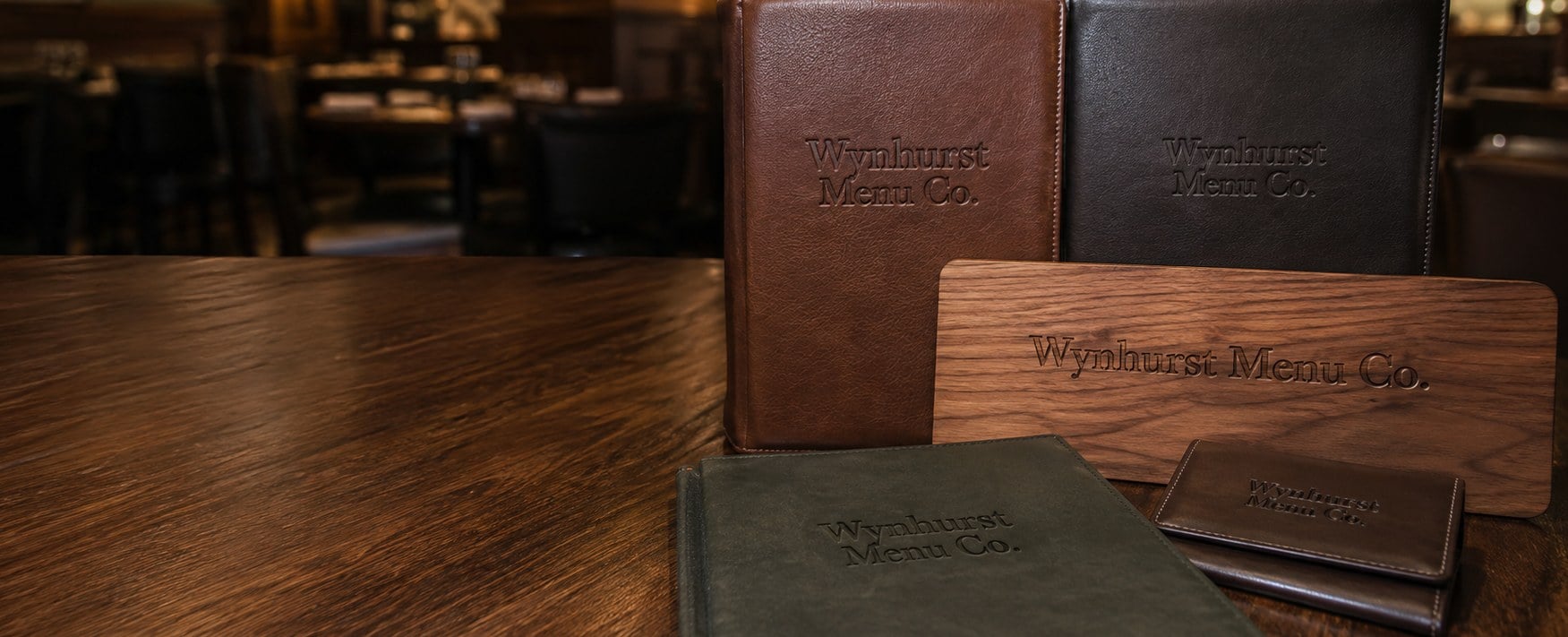
- Plan dinner, wine, bar, dessert and check presenter covers as one matching set.
- Debossing is the quiet logo choice most fine dining rooms prefer on leather menu covers.
- Minimum order is 12 pieces per design.
- Free mockup within 24 hours, standard turnaround about 2 weeks.
- You pay nothing until you approve the design.
Why do steakhouses and fine dining restaurants still use leather menu covers?
Steakhouses and fine dining restaurants use leather menu covers because the menu is the first object a guest holds, and it sets the expectation for everything that follows. A heavy, well-stitched cover signals that the kitchen and the floor team care about detail before a single plate arrives.
Leather also suits the way these rooms operate. Menus stay on the table longer, guests open and close them several times across a long meal, and the same cover is handled by the server, the sommelier and the guest. Leather menu covers take that handling better than laminated card or thin vinyl, and they age into a patina instead of looking tired.
Finally, a leather cover lets the menu change without the brand changing. Seasonal cuts, dry-aged specials and tasting courses come and go on the inserts, while the cover carries the restaurant name every night. That split between a permanent cover and replaceable inserts is the core of the steakhouse menu system described below.
Which menu covers does a steakhouse need in one order?
A steakhouse usually needs five pieces in one coordinated order: a dinner menu cover, a wine list, a bar or cocktail menu, a dessert and after-dinner menu, and a check presenter. Ordering them together keeps the leather, color, stitching and logo identical, which is hard to match later from a different batch.
| Piece | Where it is used | What to specify |
|---|---|---|
| Dinner menu cover | Every seated guest | Panel count for cuts, sides and specials; insert attachment |
| Wine list | Host stand and sommelier | Taller format, room for many pages, a page-friendly binding |
| Bar and cocktail menu | Bar top and lounge | Single or double panel; faux leather if spills are frequent |
| Dessert and after-dinner menu | End of the meal | Smaller format; often a single panel |
| Check presenter | Closing the table | Card slot and pen loop; same deboss as the menus |
See the wine lists and check presenters page for the pieces that close the meal, and menu inserts and printing if you want the pages produced in the same order.
What leather and color work best in a steakhouse dining room?
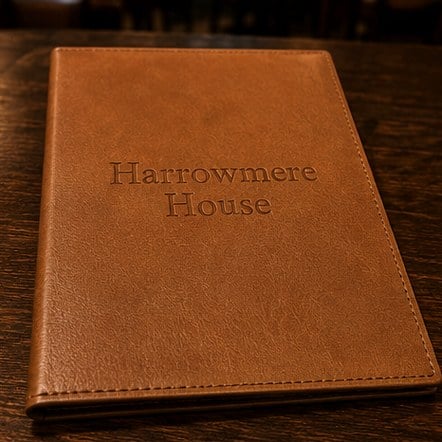
Most steakhouses choose full-grain leather in deep brown, oxblood or black, because those tones sit naturally against dark wood, low lighting and white tablecloths. Full-grain leather menu covers show natural grain and develop character with use, which reads as old-school and confident.
Lighter tones such as tan or saddle work well in modern grill rooms with pale wood and brighter light. Contrast stitching is a useful detail: cream thread on dark brown looks classic, while tone-on-tone stitching feels more restrained and contemporary.
- Classic chophouse: dark brown or oxblood full-grain, cream stitching, blind deboss.
- Modern fine dining: black or charcoal, tonal stitching, minimal logo placement.
- Patio, bar and lounge: faux leather covers in a matching color for wipe-down durability.
The full-grain leather menu covers page explains the material in more depth, and the leather vs. faux leather comparison helps if one outlet needs a tougher surface than the main room.
How should a fine dining restaurant put its logo on leather menu covers?
Fine dining restaurants usually deboss the logo blind, meaning pressed into the leather with no ink or foil, because the result is quiet and tactile rather than loud. A blind deboss on leather menu covers looks deliberate, wears well and suits rooms where the brand should feel discovered rather than announced.
Foil stamping in gold, silver or copper adds contrast and suits steakhouses with a heritage or hotel-style identity. Use it sparingly: the restaurant name on the front, perhaps a small mark on the spine or back, and nothing more.
- Send a vector logo file if you have one. A clean, high-resolution image also works for the mockup stage.
- Choose blind deboss or foil and the placement (centered, lower third or upper corner).
- Review the free mockup, returned within 24 hours, and request changes. Revisions are unlimited and free.
- Approve the design. You pay nothing until you approve.
Fine lines and very small type can fill in when pressed into leather, so simple wordmarks and bold monograms deliver the crispest impression. The mockup is where those adjustments get made before anything is produced.
How many leather menu covers does a steakhouse or fine dining room need?
A steakhouse should plan dinner menu covers around peak seated guests rather than table count, then add a reserve for covers that are being cleaned, re-stocked with inserts or pulled for damage. Wine lists and check presenters are counted differently: wine lists by how many the sommelier and servers carry at once, check presenters by the number of tables turning at the same time.
Every design starts at a minimum of 12 pieces, which makes small items such as dessert menus or a private dining room set easy to add. Ordering the reserve with the main run is the simplest way to keep the leather and deboss consistent, since a later reorder may come from a different hide lot.
- Count the busiest service of the week, not an average night.
- Add reserve covers for every format, not just the dinner menu.
- Order private dining and chef’s table covers in the same run if they share a logo.
Use the quote form to list each format and quantity; the team will confirm the plan with the mockup.
Can one steakhouse group order different covers for each location?
Yes. A restaurant group can order leather menu covers for several locations in one project, with a shared material and construction but a different name, color or deboss for each room. Each distinct design follows the minimum of 12 pieces, so even a small private dining room or a single bar can have its own covers.
Groups usually keep one element constant, such as the leather color or the group mark on the back cover, and vary the front with each restaurant name. That gives guests a sense of family between properties while each room keeps its own identity. The hotels and resorts page covers the same approach for multi-outlet properties.
How do you keep leather menu covers looking new through busy services?
Leather menu covers stay presentable when they are wiped with a soft, slightly damp cloth after service, dried away from heat, and conditioned occasionally with a leather care product suitable for the finish. Avoid soaking, harsh sanitizers and stacking damp covers, because moisture trapped between covers marks the surface.
In a steakhouse the main risks are grease from fingers, wine drips and the heat of a busy pass. Give servers a simple routine: wipe at close, store covers upright or flat in a dry station, and rotate the reserve covers into service so wear is spread evenly. Bar and patio menus that see constant spills are often better in faux leather, matched in color to the dining room set.
What is the best way to time a steakhouse menu cover order?
Work back from the date the new covers must be on tables. Standard turnaround is about 2 weeks after design approval, and faster turnaround is available with express shipping, so a mockup approved quickly keeps the schedule short.
- Finalize the menu formats and panel counts with the chef and general manager.
- Request a quote with the logo, colors and quantities for each piece.
- Review the mockup within 24 hours and approve.
- Print the new inserts so they are ready when the covers arrive.
For an opening, a renovation or a menu relaunch, place the order early enough that the covers arrive before the team trains on the new menu. See how it works for each step.
Frequently asked questions
Should a steakhouse wine list match the dinner leather menu covers?
Leather menu covers for the wine list usually match the dinner menu in leather, color and deboss, but in a taller format with room for more pages. A matching wine list makes the table look intentional when both are open at once. Custom Leather Menu Covers can produce both pieces in one order so the hide, stitching and logo stay identical across the set.
Is a blind deboss or gold foil better for a fine dining logo?
Leather menu covers in fine dining rooms most often use a blind deboss, which presses the logo into the leather without color for a quiet, tactile look. Gold or silver foil adds contrast and suits heritage steakhouses or hotel restaurants. The free mockup shows both options on your chosen leather so you can compare before approving anything.
What leather color hides wear best in a busy steakhouse?
Leather menu covers in dark brown, oxblood or black hide fingerprints, grease and small scuffs best during long, busy services. Lighter tan or saddle leather looks beautiful but shows marks sooner and needs more frequent cleaning. Many steakhouses choose a dark main color and add contrast stitching so the covers still feel distinctive rather than plain.
Can the private dining room have different leather menu covers from the main room?
Leather menu covers for a private dining room can carry a separate name, a different color or a smaller format while still sharing the main room's leather. Each distinct design starts at a minimum of 12 pieces, which suits most private rooms. Custom Leather Menu Covers can include those covers in the same project as the main dining room order.
How many check presenters should a steakhouse order alongside its menus?
Leather menu covers and check presenters are counted differently. Check presenters follow the number of tables that close at the same time during the busiest service, plus a reserve for presenters in use or being cleaned. Ordering them with the menus keeps the leather and deboss consistent, and the minimum order of 12 applies to the presenters as their own design.
Do fine dining tasting menus need a different cover than a la carte menus?
Leather menu covers for tasting menus are often smaller and single-panel, because a tasting menu lists fewer items and is sometimes presented at the end of the meal as a keepsake. A la carte dinner menus usually need more panels. Custom Leather Menu Covers can produce both formats in matching leather so the room still reads as one set.
Which binding works best for a steakhouse menu that changes nightly cuts?
Leather menu covers with corner pockets, a ribbon or elastic cord let servers swap a single insert quickly when the butcher's list or nightly specials change. Screw-post and ring bindings suit long wine lists that change one page at a time. The binding choice is confirmed on the mockup, so you can see how inserts sit before production begins.
Can leather menu covers be made for a steakhouse bar and patio too?
Leather menu covers for the bar and patio are often made in faux leather that matches the dining room color, because those menus face spills, sun and outdoor air. The same deboss and stitching keep the set consistent. Custom Leather Menu Covers can combine full-grain covers for the dining room and faux leather covers for outdoor areas in one order.
What artwork should a steakhouse send for its first mockup?
Leather menu covers are mocked up from the restaurant's logo, ideally a vector file such as AI, EPS, SVG or PDF, though a clean high-resolution image works for the first draft. Include the preferred leather color, menu formats and quantities. Custom Leather Menu Covers returns a free mockup within 24 hours, and revisions are unlimited until the design is right.
How far ahead should a new steakhouse order menu covers before opening?
Leather menu covers for an opening should be ordered early enough to arrive before staff training on the new menu, not just before opening night. Standard turnaround is about 2 weeks after design approval, with faster options available through express shipping. Approving the 24-hour mockup quickly is the easiest way to protect a tight pre-opening schedule.
Should a fine dining restaurant keep spare menu covers in reserve?
Leather menu covers benefit from a reserve set, because covers are pulled from service for cleaning, insert changes and the occasional damage. Ordering spares with the main run keeps them identical, since a later order may come from a different hide lot. Custom Leather Menu Covers can add reserve pieces to the same order at the quote stage.
Can a steakhouse logo go on the spine or back of a leather menu cover?
Leather menu covers can carry a small secondary mark on the spine, back cover or inside panel in addition to the front logo. Fine dining rooms often place the main name on the front and a monogram or founding detail on the back. Custom Leather Menu Covers shows every placement on the free mockup before you approve production.
Get a free mockup for your leather menu covers
Send your logo or idea and the quantity you have in mind. Custom Leather Menu Covers returns a free mockup within 24 hours, you approve the design before anything is produced, and standard turnaround is about two weeks with faster options available. Get a custom quote.